



.jpg)
Range and capability define mission fit
Choosing the right aircraft for a private flight isn't about prestige — it's about matching capability to mission. The wrong aircraft means an unnecessary fuel stop, a runway you can't use, or hours spent in a cabin too small for productive work. The right one disappears into the background and lets the trip happen.
Light, mid, and heavy: what each tier actually does
Private aircraft fall into three broad categories, each suited to different missions:
- Light jets (Citation CJ3, Phenom 300): 4-7 passengers, 1,500-2,000 nm range, ideal for regional East Coast or short West Coast hops
- Midsize and super-midsize (Hawker 900XP, Challenger 350, Citation Latitude): 8-9 passengers, 2,800-3,400 nm range, transcontinental capability with stand-up cabins
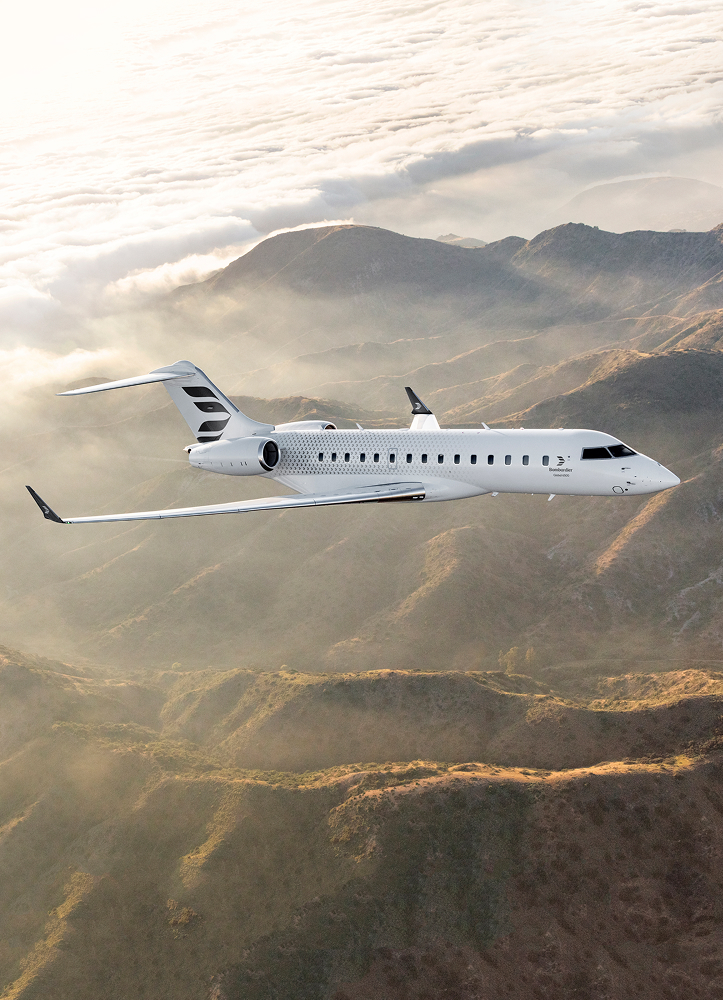
- Heavy and ultra-long-range (Falcon 900EX, Global 5000, Gulfstream G650): 13-19 passengers, 4,500-7,000 nm range, intercontinental non-stop with full lie-flat sleeping
Beyond range: the variables that matter
Range is the headline number, but four other variables decide whether an aircraft fits a given trip:
- Runway performance — some destinations (Aspen, Telluride, St. Barths) require specific takeoff and landing capability
- Cabin altitude — lower cabin altitude means less fatigue on long flights
- Connectivity — Starlink and Ka-band Wi-Fi for genuine in-flight productivity
- Baggage volume — critical for ski trips, golf trips, and family travel
The operator-level question
Aircraft type is only half the equation. The other half is who operates it: a direct Part 135 operator with its own maintenance, or a brokered listing pulled from a fragmented marketplace. The aircraft you see online and the aircraft that actually shows up are not always the same.

.jpg)
.jpg)